
How to Choose Your Ideal Primary Care Doctor Near Me: Essential Tips for Personalized Care
Choosing the right primary care doctor is a crucial decision that can significantly impact your health and well-being. A primary care physician serves as your first point of contact in the healthcare system, guiding you through preventive care, chronic condition management, and overall health maintenance. This article will provide essential tips on how to select a primary care doctor who meets your individual needs, ensuring you receive personalized care tailored to your unique health circumstances. Many individuals struggle with finding a doctor who not only understands their medical history but also communicates effectively and builds a trusting relationship. By focusing on key qualities, communication skills, and the services offered, you can make an informed choice that supports your long-term health. We will explore the qualities to look for, the importance of communication, and the types of services provided by personalized primary care doctors.
Qualities to Look For:
When selecting a primary care doctor, certain qualities can significantly enhance your healthcare experience.
- Communication Skills: A good doctor should be able to explain medical terms in a way that is easy to understand, encouraging you to ask questions and express concerns.
- Experience and Expertise: Look for a physician with a solid background in family medicine or the specific area of care you need, as this can influence the quality of care you receive.
- Trust and Comfort: It’s essential to feel comfortable with your doctor, as this fosters open communication and a better overall healthcare experience.
These qualities are foundational in establishing a productive patient-doctor relationship, which is vital for effective healthcare.
Importance of Communication Skills:

Effective communication is a cornerstone of quality healthcare.
A primary care doctor should possess strong listening skills, ensuring they fully understand your concerns and medical history. Clear explanations of diagnoses and treatment options are crucial, as they empower you to make informed decisions about your health. Additionally, a doctor who encourages questions fosters a collaborative environment, making you feel valued and involved in your care. This level of communication not only enhances your understanding but also builds trust, which is essential for a successful healthcare partnership.
Research consistently highlights the profound impact of effective patient-physician communication on clinical outcomes and patient well-being.
Effective Patient-Physician Communication in Clinical Practice
Patient-physician communication is an integral part of clinical practice. When done well, such communication produces a therapeutic effect for the patient, as has been validated in controlled studies. Formal training programs have been created to enhance and measure specific communication skills. Many of these efforts, however, focus on medical schools and early postgraduate years and, therefore, remain isolated in academic settings. Thus, the communication skills of the busy physician often remain poorly developed, and the need for established physicians to become better communicators continues. In this article, the authors briefly review the why and how of effective patient-physician communication. They begin by reviewing current data on the benefits of effective communication in the clinical context of physicians caring for patients. The authors then offer specific guidance on how to achieve effective communication in the patient-physician relationship.
Patient-physician communication: why and how, 2005
Expertise in Chronic Condition Management:
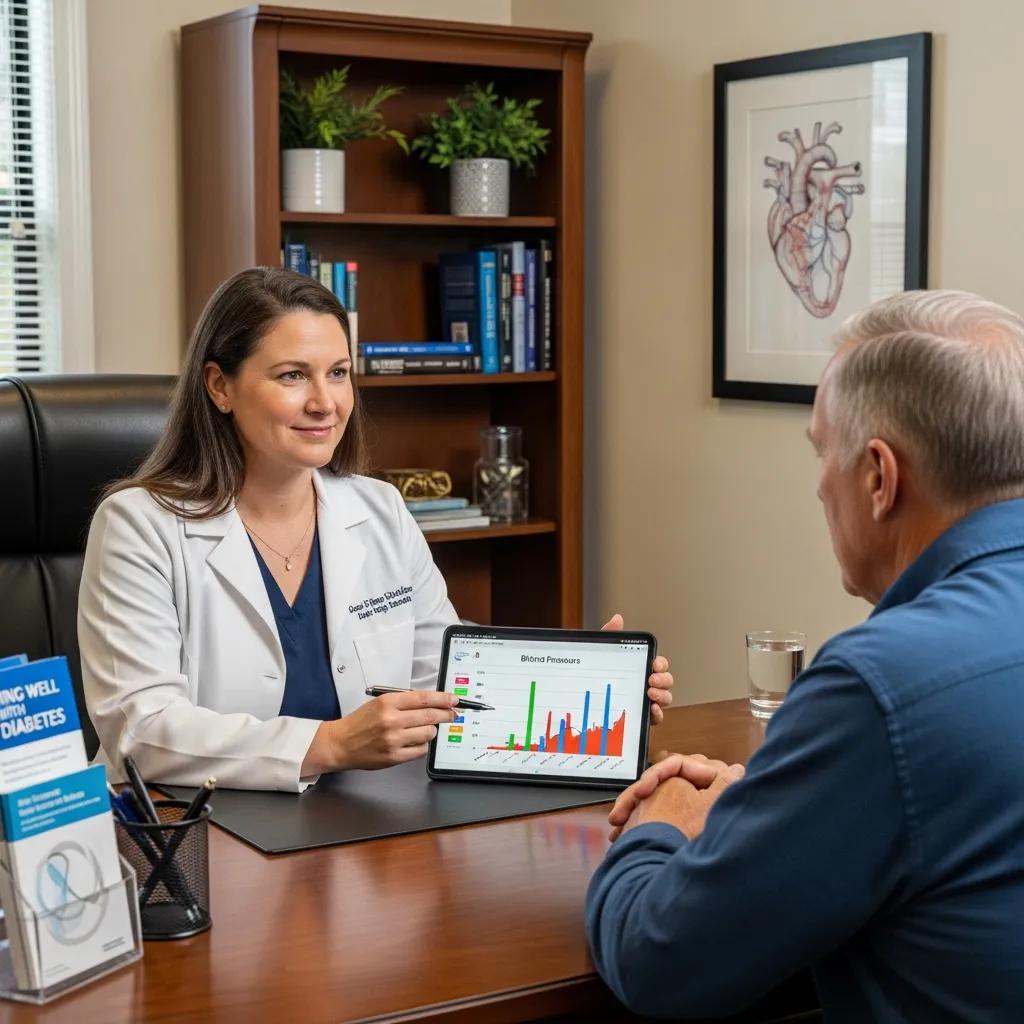
Chronic conditions require specialized knowledge and ongoing management.
A primary care doctor with expertise in chronic condition management can develop personalized care plans that address your specific health needs. They should be adept at monitoring your conditions, adjusting treatments as necessary, and coordinating care with specialists when needed. This comprehensive approach ensures that all aspects of your health are considered, leading to better outcomes and improved quality of life.
Questions to Ask During the First Visit:
During your initial consultation, asking the right questions can help you gauge whether a doctor is the right fit for you.
- What is your approach to preventive care? Understanding how a doctor prioritizes preventive measures can indicate their commitment to long-term health.
- How do you manage chronic conditions? This question reveals their experience and strategies in handling ongoing health issues.
- How do you handle urgent health issues? Knowing how a doctor responds to emergencies can provide peace of mind.
These questions can help you assess the doctor’s philosophy and approach to care, ensuring alignment with your health goals.
Services Offered by Personalized Primary Care Doctors:
Personalized primary care doctors provide a range of services designed to meet individual health needs.
These services typically include:
- Preventive Care: Regular check-ups, vaccinations, and screenings to catch potential health issues early.
- Chronic Disease Management: Ongoing support and treatment for conditions such as diabetes, hypertension, and asthma.
- Lifestyle Counseling: Guidance on nutrition, exercise, and weight management to promote overall health.
Understanding the services offered can help you determine if a doctor can meet your specific health requirements.
| Service | Description | Benefits |
|---|---|---|
| Preventive Care | Regular health screenings and vaccinations | Early detection of health issues |
| Chronic Disease Management | Ongoing treatment and monitoring of chronic conditions | Improved health outcomes and quality of life |
| Lifestyle Counseling | Guidance on nutrition and exercise | Enhanced overall well-being |
For those seeking personalized care, Life Beyond MD Primary Care in Dearborn, Michigan, focuses on individualized patient care, including chronic condition management and weight management. Their approach emphasizes longer appointments and a patient-centered experience, ensuring that your health needs are thoroughly addressed.
This focus on individualized attention and preventive strategies is echoed in studies that demonstrate the positive effects of personalized care models on patient satisfaction and health outcomes.
Personalized Preventive Care & Patient Satisfaction
The ability of physicians to achieve successful outcomes for their patients is a challenge given the increasing demands on physicians in the conventional healthcare world. Patients are becoming more involved with their healthcare management and, as such, their satisfaction with their physician is increasingly important. MD-Value in Prevention (MDVIP) is a network of primary care physicians who promote smaller practice sizes in an effort to allow the physician to focus on prevention, wellness and chronic issues.
The impact of a personalized preventive care model vs. the conventional healthcare model on patient satisfaction, 2015
Finding Personalized Care Options:
Finding the right primary care doctor involves several steps.
- Check Your Insurance Directory: Start by reviewing your insurance plan to find in-network providers.
- Seek Recommendations: Ask friends, family, or other healthcare professionals for their recommendations based on personal experiences.
- Research Online: Utilize online resources to read reviews and gather information about potential doctors.
These steps can streamline your search and help you identify suitable candidates for your primary care needs.
What Are the Best Qualities to Look for in a Primary Care Doctor?
When evaluating potential primary care doctors, consider the following qualities:
- Empathy: A compassionate doctor who understands your concerns can significantly enhance your healthcare experience.
- Availability: Ensure the doctor has reasonable availability for appointments and follow-ups.
- Continuity of Care: A physician who provides consistent care over time can better understand your health history and needs.
These qualities contribute to a supportive and effective healthcare relationship.
How Do Communication Skills Impact Your Care Experience?
Communication skills directly influence your care experience.
A doctor who communicates effectively can clarify complex medical information, making it easier for you to understand your health status and treatment options. This clarity fosters a sense of security and trust, encouraging you to engage actively in your healthcare decisions. Moreover, effective communication can lead to better adherence to treatment plans, as patients who understand their conditions are more likely to follow through with recommendations.
Why Is Expertise in Chronic Condition Management Important?
Expertise in chronic condition management is vital for several reasons.
Doctors with specialized knowledge can create tailored treatment plans that address the unique challenges of chronic diseases. They are also better equipped to monitor your condition over time, making necessary adjustments to your treatment as your health evolves. This continuity of care is essential for achieving optimal health outcomes and maintaining a high quality of life.
What Services Does a Personalized Primary Care Doctor Provide?
Personalized primary care doctors offer a variety of services that cater to individual health needs.
These services include:
- Comprehensive Health Assessments: Detailed evaluations to understand your health status.
- Chronic Disease Management: Ongoing support for conditions like diabetes and hypertension.
- Preventive Services: Screenings and vaccinations to prevent illness.
Understanding the breadth of services available can help you choose a doctor who aligns with your health goals.
How to Discuss Weight Management and Chronic Conditions Effectively?
Discussing weight management and chronic conditions with your doctor is crucial for effective care.
Prepare by bringing your health history and any relevant information about your lifestyle. Identify specific concerns you wish to address, and be open about your goals. Setting clear health objectives can help your doctor tailor their recommendations to your needs, ensuring a collaborative approach to your care.
How Does Personalized Primary Care Benefit Your Long-Term Health?
Personalized primary care offers numerous benefits for long-term health.
By focusing on individualized care, doctors can develop tailored treatment plans that address your unique health needs. This approach fosters a deeper understanding of your medical history, leading to more effective management of chronic conditions and preventive care strategies. Ultimately, personalized care promotes better health outcomes and enhances your overall quality of life.
What Makes Life Beyond MD’s Approach Unique in Dearborn, Michigan?
Life Beyond MD stands out in Dearborn, Michigan, for its commitment to personalized care.
Their approach includes longer appointment times, allowing for thorough discussions about your health. This focus on prevention and patient-centered care ensures that your individual needs are prioritized, leading to a more satisfying healthcare experience. By emphasizing a holistic view of health, Life Beyond MD aims to improve patient outcomes and foster lasting relationships.
How Does Personalized Care Improve Chronic Disease Outcomes?
Personalized care significantly enhances chronic disease outcomes by fostering strong patient-doctor relationships.
When patients feel understood and supported, they are more likely to adhere to treatment plans and engage in their health management. This collaborative approach leads to better monitoring of conditions, timely adjustments to treatment, and ultimately, improved health outcomes. Personalized care also encourages proactive health management, reducing the risk of complications associated with chronic diseases.
Indeed, the implementation of personalized care planning in primary care settings is increasingly recognized for its ability to improve patient outcomes, particularly in the context of chronic disease management.
Personalized Care Planning in Primary Care
Personalized care planning is a patient-centered, whole-person approach to treatment planning. Personalized care plans improve patient outcomes and are now mandated for chronic care management reimbursement. Yet guidance on how to best implement personalized care planning in practice is limited.
Integrating personalized care planning into primary care: a multiple-case study of early adopting patient-centered medical homes, RE Bolton, 2020
What Are the Steps to Schedule an Appointment with Your Primary Care Doctor?
Scheduling an appointment with your primary care doctor involves several straightforward steps.
- Identify Your Needs: Determine the type of care you require.
- Create a Short List: Narrow down potential doctors based on your research and recommendations.
- Contact the Office: Reach out to schedule an appointment, providing any necessary information about your health concerns.
These steps can help streamline the process and ensure you find a doctor who meets your needs.
How to Navigate the Appointment Process at Life Beyond MD Primary Care?
Navigating the appointment process at Life Beyond MD is designed to be straightforward.
Start by contacting their office to schedule your visit. Be prepared to provide your health history and any specific concerns you wish to discuss. During your first visit, expect a comprehensive evaluation that focuses on your individual health needs, setting the stage for a collaborative healthcare relationship.
What Telemedicine Options Are Available for Convenient Care?
Telemedicine options have become increasingly popular for convenient healthcare access.
Life Beyond MD offers telemedicine services that allow you to consult with your doctor from the comfort of your home. This option is particularly beneficial for follow-up appointments or when you have non-urgent health concerns. Ensure you have the necessary technology and understand how to access these services for a seamless experience.
How Do Insurance and Coverage Affect Your Primary Care Doctor Selection?
Insurance and coverage play a significant role in selecting a primary care doctor.
Understanding your insurance plan can help you identify in-network providers, which can reduce out-of-pocket costs. Additionally, knowing the types of services covered by your insurance can guide your choice, ensuring you select a doctor who can provide the necessary care without unexpected expenses.
Which Insurance Plans Does Life Beyond MD Accept?
Life Beyond MD accepts a variety of major insurance plans, making it accessible for many patients.
To find out if your specific plan is accepted, it is advisable to contact their office directly. This step ensures that you have a clear understanding of your coverage options and can plan your healthcare accordingly.
How to Verify Your Insurance Benefits for Primary Care Services?
Verifying your insurance benefits for primary care services is essential for understanding your coverage.
- Check Your Insurance Card: Look for contact information and coverage details.
- Call Your Insurance Provider: Inquire about your benefits and any specific questions you may have.
- Ask the Clinic Directly: When scheduling your appointment, confirm that your insurance is accepted and understand any co-pays or deductibles.
These steps can help you navigate the insurance landscape and ensure you receive the care you need without unexpected costs.