

Same-Day Sick Visits: When to Call Your Primary Care Doctor Instead of Urgent Care
Figuring out whether to call your primary care doctor or head to urgent care can feel confusing when you’re suddenly sick. Same-day visits with your primary care provider give you fast, tailored care while keeping your medical history in view. This article explains when it’s smarter to contact your family doctor instead of going to urgent care and highlights the differences between the two options.
Read on to learn which situations are best handled by primary care, how primary care and urgent care differ, and practical tips for picking the right path. We’ll also cover common reasons for same-day visits, signs that you should call your primary care provider, and how preventive care can reduce future problems.
You should contact your primary care doctor instead of going to urgent care in the following situations:
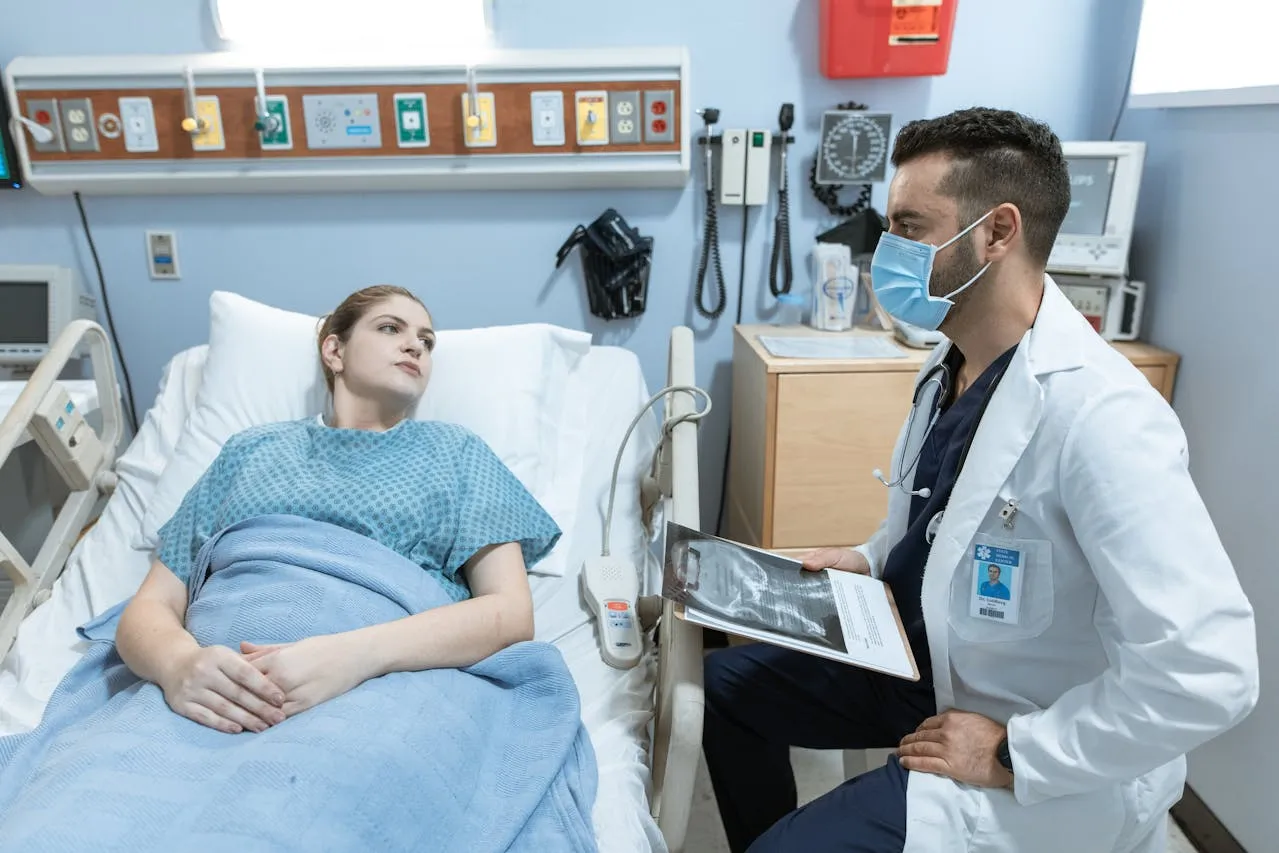
Certain issues are best handled by a primary care doctor because they require knowledge of your history and ongoing management. Below are common cases when calling your doctor first makes more sense than visiting urgent care:
- Chronic conditions: Ongoing problems like diabetes, high blood pressure, or asthma are managed most effectively by a provider who knows your history and treatment plan.
- Preventive care: Routine check-ups and screenings are part of long-term health — your primary care doctor coordinates these to catch issues early.
- Non-urgent symptoms: Mild symptoms such as seasonal allergies or a minor cold are usually best evaluated by your primary care team.
- Medication management: Renewals, adjustments, and follow-ups for prescriptions are easiest and safest with your primary care provider.
- Mental health concerns: Ongoing support for anxiety, depression, or other mental health needs works best with a clinician who knows your history.
These examples show why having an established relationship with a primary care physician helps you get consistent, personalized guidance.
Key Differences Between Primary Care and Urgent Care:
Knowing how primary care and urgent care differ helps you choose the right service when you’re unwell. Each serves distinct needs and works best in different situations.
Primary care centers on long-term health, prevention, and continuity. Urgent care treats immediate, non-life-threatening problems that need quick attention but not emergency-room resources.
Key differences include:
- Purpose of services: Primary care emphasizes ongoing wellness and prevention; urgent care focuses on quick treatment for unexpected illnesses or injuries.
- Continuity of care: Your primary care provider tracks your health over time; urgent care usually treats single episodes without long-term follow-up.
- Cost considerations: Urgent care visits can be more expensive out-of-pocket than scheduled primary care visits, depending on insurance.
Understanding these differences helps you make an informed decision when time and health are at stake.
Guidelines for Timely Care:
Having clear guidelines makes it easier to decide whether to call your primary care doctor or go to urgent care. These practical tips can improve outcomes and help you use healthcare resources wisely.
- Same-day appointment availability: Check your primary care office’s policy on same-day visits—many reserve slots for urgent concerns.
- Emergency situations consideration: Know when a condition is an emergency and requires the ER instead of urgent care or primary care.
Following these simple rules helps you get the right care at the right time.
Key Factors to Consider:
Several factors should guide your decision to call your primary care doctor or go to urgent care. Keeping these in mind will help you choose the best option for your situation.
- Health history familiarity: Your primary care provider understands your medical background and can make the safest choices for ongoing issues.
- Severity of symptoms: Assess how intense or persistent your symptoms are to decide whether immediate attention is needed.
- Provider availability: If your primary care doctor can see you the same day, that may be the best path for continuity and tailored care.
These considerations help you match your needs with the right level of care.
What Are Common Reasons for Scheduling Same-Day Primary Care Visits?
Same-day primary care visits are useful for a variety of concerns. Common reasons patients schedule them include:
- Fever, sore throat, or symptoms that suggest an infection and need prompt diagnosis.
- Allergy flare-ups, stomach bugs, or other conditions that your primary care team is familiar with and can manage effectively.
- The advantage of keeping treatment consistent with your long-term plan, with faster assessment and follow-up when needed.
These examples show how same-day visits can prevent problems from getting worse and keep care coordinated.
Which Acute Symptoms Should Prompt a Same-Day Doctor Appointment Near Me?
Some acute symptoms deserve quick evaluation by your primary care doctor to rule out more serious problems. Consider a same-day visit for symptoms such as:
- New cough: Especially if it comes with fever or breathing difficulty, which might signal a respiratory infection.
- Sharp pain: Sudden, severe pain anywhere in your body should be checked promptly.
- New or changing rash: Rapidly spreading or painful rashes and allergic reactions need timely attention.
Quick action on these signs can help prevent complications and get you appropriate treatment sooner.
How Does Chronic Disease Management Fit into Same-Day Sick Visits?
Same-day visits play an important role in managing chronic conditions. When you have diabetes, high blood pressure, or another long-term condition, timely visits let your provider check key indicators and make adjustments as needed.
During a same-day appointment, your doctor can review blood sugar or blood pressure readings, change medications when necessary, and recommend steps to avoid urgent problems. This approach reinforces effective preventive care and helps keep chronic issues stable.
When Should I See My Family Doctor Instead of Visiting Urgent Care?
Certain situations call for your family doctor rather than urgent care. Choose your primary care physician when:
- Chronic condition management: Adjusting long-term treatment plans is best done by the clinician who knows your history.
- Non-emergency issues: For mild or persistent symptoms that don’t worsen quickly, your family doctor can provide more complete care.
- Mental health concerns: Ongoing mental health needs benefit from the continuity your primary care team provides.
Working with a consistent provider helps you get coordinated, long-term support for your health.
What Conditions Are Better Managed by Primary Care Than Urgent Care?
Primary care is usually the better setting for conditions that require ongoing oversight and a broad view of your health. These include:
- Chronic disease management: Asthma, diabetes, and heart conditions need regular monitoring that primary care provides. See primary care for ongoing management.
- Preventive care: Vaccines, screenings, and routine exams are typically handled in primary care.
- Comprehensive treatment overview: Your family doctor coordinates care across specialties and supports long-term health strategies.
Building a relationship with a primary care provider makes it easier to manage these issues over time.
How Can Early Intervention by a Primary Care Physician Improve Outcomes?
Early intervention from your primary care physician can lead to quicker diagnoses, simpler treatments, and better long-term results. Catching problems early often means fewer complications and less intensive treatment later.
Regular monitoring, prompt adjustments to care, and preventive measures all add up to better outcomes when you reach out at the first sign of trouble.
Seeing your primary care provider early opens the door to more proactive, effective care.
What Are the Key Differences Between Urgent Care and Primary Care for Sick Visits?
Urgent care and primary care serve different roles when you’re sick. Knowing their strengths helps you decide where to go:
- Services offered: Primary care focuses on prevention and chronic care; urgent care treats short-term illnesses and minor injuries.
- Typical wait times: Urgent care often accepts walk-ins and may provide faster immediate access; scheduled primary care visits can offer quicker, more focused care if a same-day slot is available.
Consider your symptoms and your need for continuity when choosing between the two.
How Do Appointment Access and Continuity Vary Between Urgent Care and Primary Care?
Appointment access and continuity are key differences between urgent care and primary care. Urgent care commonly offers walk-in availability for fast treatment. Primary care, however, delivers continuity through an ongoing relationship with a provider who knows your health history.
That continuity supports better long-term decisions and more personalized care across multiple visits.
What Are the Benefits of Ongoing Patient-Physician Relationships in Primary Care?
Long-term relationships with your primary care physician bring important benefits:
- Trust and communication: You’re more likely to share sensitive issues with a provider who knows you and listens.
- Health management benefits: Regular monitoring and personalized plans lead to earlier detection and better outcomes.
These relationships make healthcare more effective and easier to navigate.
How Does Preventive Care Impact Same-Day Primary Care Visits?
Preventive care reduces the need for emergency services and helps you stay healthier overall. When primary care includes routine screenings and lifestyle counseling, same-day visits can quickly address new concerns while keeping you on a preventive track.
Using same-day appointments for preventive checks and timely interventions supports stronger long-term health.
What Preventive Screenings and Vaccinations Are Available During Same-Day Visits?
Many preventive services can be provided during same-day visits, including:
- Health screenings: Blood pressure checks, cholesterol tests, and diabetes screenings are commonly available.
- Vaccinations: Flu shots and other routine immunizations can often be given during these appointments.
These offerings make same-day visits a practical way to keep preventive care on track.
How Does Preventive Care Reduce Emergency Room Visits and Healthcare Costs?
Preventive care lowers the risk of serious health events and can reduce expensive ER visits. Detecting problems early and treating them in primary care often means simpler care and lower costs over time.
Regular check-ups, screenings, and healthy habits all contribute to better health and more affordable care.
How Can Life Beyond MD Primary Care and Dr Ali Rida Support Same-Day Sick Visits?
Life Beyond MD Primary Care, led by Dr. Ali Rida, offers same-day support with a focus on patient-centered care. Dr. Rida, a board-certified family medicine physician, manages both acute issues and chronic conditions with an emphasis on personalized treatment.
That approach makes Life Beyond MD a reliable option for timely, coordinated care and ongoing health support. For more on our practice, visit our site.
What Services Does Life Beyond MD Offer for Same-Day Appointments?
Life Beyond MD provides a range of services that can be handled during same-day visits, including:
- Routine check-ups: Quick assessments and preventive screenings during urgent same-day visits.
- Comprehensive diagnostics: On-site tests and evaluations to pinpoint issues and guide treatment.
- Medication management: Adjustments or renewals of prescriptions based on your current needs.
These services make primary care a convenient and effective option for timely health concerns.
How Does Personalized Care at Life Beyond MD Enhance Patient Outcomes?
Personalized care at Life Beyond MD improves outcomes by tailoring plans to each person’s lifestyle and history. The practice focuses on:
- Customized health plans: Treatment plans that fit your life and medical needs, which supports better adherence and results.
- Ongoing assessments: Regular check-ins let providers tweak treatment quickly when needed.
Personalized care builds stronger provider–patient relationships and drives better health over time.
What Should Patients Know About Scheduling and Preparing for Same-Day Sick Visits?
Preparing for a same-day visit helps the appointment go smoothly. Keep these tips in mind:
- Scheduling flexibility: Learn your primary care office’s same-day policies so you can find openings faster.
- Preparation tips: Bring a list of current medications and any recent test results or notes about symptoms.
- Clear communication: Describe your symptoms, timing, and severity to help the clinician evaluate you efficiently.
These steps make same-day visits more productive and reduce repeat visits.
How Can Patients Efficiently Schedule a Same-Day Doctor Appointment Near Me?

Scheduling a same-day appointment is often straightforward if you follow a few simple steps:
- Use online booking: Many offices offer digital scheduling tools that make it easy to find openings.
- Call early: Phoning as soon as the office opens can improve your chances of getting a same-day slot.
- Be flexible: Offering multiple times you can come increases the likelihood of fitting into the schedule.
These methods help you secure timely care when you need it most.
What Information Should Patients Provide During a Same-Day Visit for Optimal Care?
To get the most out of a same-day visit, share the following with your clinician:
- Medical history: Past diagnoses, surgeries, and chronic conditions give essential context.
- Current symptoms: Explain when symptoms started, how they feel, and what makes them better or worse.
- Lifestyle factors: Tell your provider about diet, exercise, sleep, and stress—these often affect treatment choices.
Providing clear, complete information helps your provider make the best recommendations for your care.